

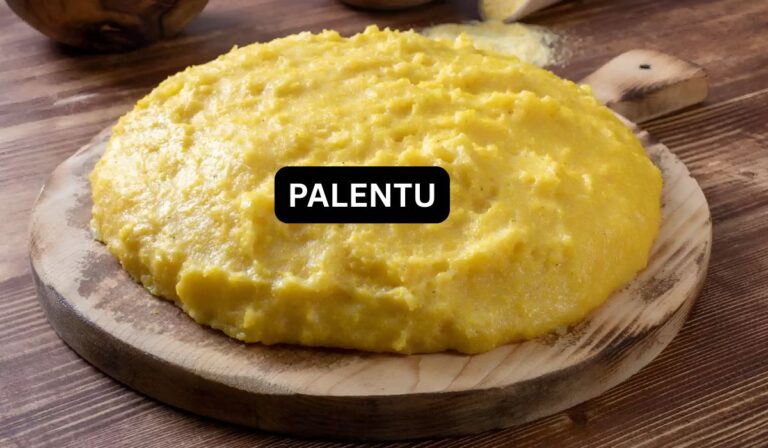
Palentu is the kind of simple, comforting dish that proves good cooking is often about technique, not expensive ingredients. Made with cornmeal and liquid, it has the same warm appeal many U.S. readers recognize from creamy polenta, cornmeal mush, or soft grits. When cooked well, Palentu should be smooth, rich, and spoonable. When cooked carelessly, though, it can become lumpy, gritty, scorched, or too thick before the cornmeal has time to soften. The good news is that most Palentu problems are easy to prevent once you understand heat, liquid, grind size, and stirring rhythm.
What Is Palentu?
Palentu is best understood as a cornmeal-based comfort food with a texture that can range from creamy and loose to firm enough to slice after cooling. In many kitchens, the idea is close to polenta, a traditional cornmeal dish cooked slowly in water, milk, broth, or a mix of liquids. Some families serve it plain with butter, cheese, herbs, or gravy, while others use it as a base for roasted vegetables, meat sauce, mushrooms, beans, or eggs. Because the recipe is so simple, every small choice matters. The amount of liquid, the speed of adding cornmeal, and the cooking temperature all decide whether the final bowl feels silky or rough.
Choose the Right Cornmeal for Better Texture
The best Palentu starts before the pot goes on the stove. Choose medium or coarse-ground cornmeal if you want a fuller texture and deeper corn flavor. Fine cornmeal can cook faster, but it may turn gluey if the heat is too high or if the liquid ratio is too low. Instant cornmeal products are convenient, yet they often lack the slow-cooked body that makes homemade Palentu taste satisfying. If you want a balanced result, look for stone-ground yellow cornmeal or a package labeled for polenta-style cooking. Store it tightly sealed in a cool, dry place, and smell it before use. Fresh cornmeal has a clean, sweet corn aroma, while old cornmeal can taste flat or slightly bitter.
Use the Right Liquid Ratio
A dependable starting point for creamy Palentu is about four cups of liquid for every one cup of cornmeal. This ratio gives the grains enough room to hydrate, swell, and soften without clumping into a heavy mass. For a softer bowl, add a little more liquid near the end. For a firmer texture, use slightly less liquid or cook it longer so more moisture evaporates. Water creates the cleanest corn flavor, broth adds savory depth, and milk gives a rounder, richer finish. Many home cooks like using half water and half milk because it keeps the dish light while still giving it a creamy mouthfeel. The key is not only how much liquid you use, but how patiently you let the cornmeal absorb it.
Start Cold or Pour Slowly Into Hot Liquid
There are two reliable ways to avoid lumps in Palentu, and both work when done carefully. The first method is the cold-start method: whisk the cornmeal into cold or room-temperature liquid before turning on the heat. This lets the grains separate evenly before they begin to swell. The second method is the classic hot-liquid method: bring salted liquid to a gentle simmer, then sprinkle the cornmeal in slowly while whisking constantly. Do not dump the cornmeal into the pot all at once. That is the fastest path to dry pockets and stubborn lumps. Whether you start cold or hot, the goal is the same: each grain should meet liquid separately before the mixture thickens.
Control the Heat From the Beginning
Heat control is one of the most important Palentu cooking tips because cornmeal thickens quickly once it starts absorbing liquid. If the pot is too hot, the outside of the grains can seize before the inside becomes tender. This creates a texture that seems thick but still tastes gritty. Start over medium heat until the mixture begins to steam and loosen into a porridge-like base. As soon as it bubbles, lower the heat to a gentle simmer. A few lazy bubbles are enough. Loud popping, splattering, or sticking means the heat is too high. Low and steady cooking gives the cornmeal time to soften evenly and helps the texture become creamy instead of tight.
Stir With Purpose, Not Panic
Palentu does not need nonstop stirring for the entire cooking time, but it does need attention at the right moments. In the first few minutes, whisk often because that is when lumps are most likely to form. Once the mixture thickens, switch to a wooden spoon or heat-safe spatula and scrape the bottom and corners of the pot. Stirring should feel steady and deliberate, not frantic. If the mixture becomes too thick to move easily, add a splash of hot water, milk, or broth and keep stirring until it loosens again. A heavy-bottomed pot also helps because it spreads heat more evenly and reduces scorching.
Season Early and Finish Smart
Salt should go into the cooking liquid early so the Palentu tastes seasoned from the inside, not just on the surface. Cornmeal is mild, so it needs enough salt to bring out its natural sweetness. After the grains are tender, finish with ingredients that improve flavor and texture. Butter adds shine and softness, Parmesan or cheddar brings savory richness, and olive oil gives a lighter finish. For a more American-style comfort bowl, try black pepper, garlic powder, scallions, roasted corn, or cream cheese. Add cheese at the end over low heat so it melts smoothly instead of separating or becoming stringy.
How to Fix Lumpy Palentu
If your Palentu turns lumpy, do not throw it out too quickly. First, lower the heat and whisk in hot liquid one small splash at a time. The extra liquid helps loosen tight clumps and gives you room to smooth the texture. Press larger lumps against the side of the pot with the back of a spoon, then keep stirring until the mixture becomes more even. If the lumps are stubborn, an immersion blender can rescue the dish, though it may make the texture finer than traditional Palentu. For next time, remember the cause: cornmeal was added too quickly, the heat was too high, or the pot was not whisked enough in the first stage.
How to Know When Palentu Is Done
Perfect Palentu is not done just because it looks thick. It is done when the grains taste tender and the texture feels creamy on the tongue. Depending on the grind, cooking can take anywhere from 15 minutes for finer cornmeal to 35 minutes or more for coarse stone-ground cornmeal. Taste a small spoonful before serving. If it feels sandy or raw, keep cooking and add more liquid if needed. Finished Palentu should pull gently from the sides of the pot but still fall softly from the spoon if you want it creamy. If you want a firm version for slicing, cook it thicker, spread it into a pan, and let it cool until set.
Serving Ideas for a Complete Meal
Palentu works beautifully as a side dish, but it can also become the center of a filling meal. For breakfast, serve it with a fried egg, sautéed spinach, and a little hot sauce. For dinner, spoon it under braised beef, chicken stew, shrimp, mushrooms, tomato sauce, or roasted vegetables. It also pairs well with beans, greens, and sausage because the creamy base balances bold flavors. If you are cooking for a U.S. family, think of Palentu as a flexible alternative to mashed potatoes, rice, or grits. It can be rustic and simple on a weeknight or dressed up with herbs, cheese, and sauce for guests.
Storing and Reheating Palentu
Leftover Palentu thickens as it cools because cornmeal continues to absorb moisture. Store it in an airtight container in the refrigerator, then reheat it gently with extra liquid. Add water, milk, or broth a little at a time and stir until the texture becomes creamy again. The microwave works for a quick portion, but the stovetop gives better control. If the leftover Palentu is very firm, slice it into squares and pan-fry it until crisp on the outside. That flexibility is one reason cornmeal dishes have stayed popular in home kitchens for generations.
Common Mistakes to Avoid
The most common Palentu mistakes are easy to spot. Using too little liquid makes the dish stiff before the cornmeal becomes tender. Adding cornmeal too fast creates lumps. Cooking over high heat causes splattering, sticking, and a gritty finish. Forgetting to taste before serving leads to bland results, while adding cheese too early can make the texture heavy. Another mistake is walking away too long after the mixture thickens. Palentu is not difficult, but it rewards care. Keep the heat low, stir at the key moments, and adjust with warm liquid whenever the texture tightens. These simple habits make the difference between a rough pot and a smooth, comforting bowl.
Final Thoughts
Palentu may be humble, but it is also one of the most rewarding cornmeal dishes to master. Once you learn how to avoid lumps and manage the texture, it becomes a reliable base for breakfast, lunch, or dinner. Start with fresh cornmeal, use enough liquid, whisk carefully, keep the heat gentle, and taste for tenderness before serving. The perfect texture is not about rushing the recipe; it is about giving the grains time to soften. With these Palentu cooking tips, you can turn a basic pantry ingredient into a creamy, flavorful, and deeply satisfying dish every time.
Frequently Asked Questions (FAQs)
Why does my Palentu get lumpy?
Palentu usually gets lumpy when cornmeal is added too quickly or when the liquid is too hot and not moving enough. To prevent this, either whisk the cornmeal into cold liquid before heating or sprinkle it slowly into simmering liquid while whisking the whole time. If lumps appear, lower the heat and add hot liquid in small splashes while pressing the lumps against the pot.
What is the best ratio for creamy Palentu?
A good starting ratio is one cup of cornmeal to four cups of liquid. This gives the cornmeal enough moisture to soften and become creamy without turning watery. You can adjust the texture near the end by adding more liquid for a softer bowl or cooking it longer for a thicker finish.
Can I make Palentu with milk instead of water?
Yes, you can make Palentu with milk, water, broth, or a combination. Milk creates a richer and creamier texture, while water gives a cleaner corn flavor. For the best balance, many cooks use half water and half milk, then finish with butter or cheese after the grains are tender.
How do I reheat Palentu without making it dry?
Reheat Palentu over low heat with extra liquid. Add water, milk, or broth a little at a time and stir until the texture loosens. If using a microwave, cover the bowl loosely, heat in short intervals, and stir between each round so the moisture spreads evenly.
Is Palentu the same as polenta?
Palentu is commonly understood as a cornmeal-style dish similar to polenta, especially in texture, ingredients, and cooking method. The names may vary by region, language, or family tradition, but the basic idea is the same: cornmeal cooked with liquid until it becomes soft, warm, and satisfying. The final texture depends on the grind of the cornmeal, the liquid ratio, and how carefully it is stirred.
Read Also :- Gayfirir Explained: A Simple Guide to This Emerging Digital Term
