

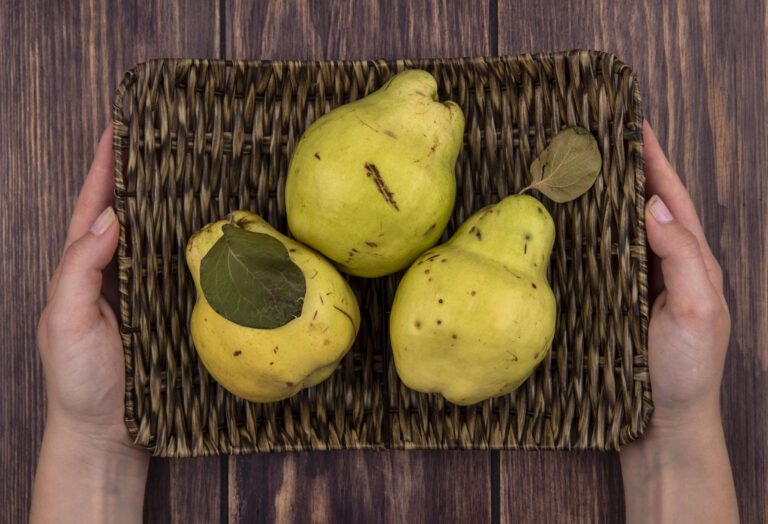
A Navigator Pear can bring structure, spring color, and polished curb appeal to a home landscape, especially when it is planted in the right place and cared for with a steady year-round routine. This ornamental pear is valued for its upright shape, attractive white blooms, glossy green summer leaves, and warm yellow-orange fall color, making it a strong choice for homeowners who want a neat, medium-sized flowering tree without the heavy fruit production of edible pear varieties. While the Navigator Pear is generally considered low-maintenance once established, it still needs thoughtful planting, deep watering during its early years, careful pruning, and regular health checks to stay strong through hot summers, cold winters, wind, storms, and seasonal stress.
What Is a Navigator Pear?
The Navigator Pear is an ornamental pear tree grown mainly for beauty, shade, and landscape design rather than for eating fruit. It is commonly used as a specimen tree, street tree, front-yard accent, or formal row planting because its upright crown gives the landscape a clean and organized look. Unlike fruiting pears grown for harvest, Navigator Pear produces small ornamental fruit that is usually not useful for fresh eating. Its real value comes from its dependable seasonal display: flowers in spring, green foliage in summer, colorful leaves in fall, and a tidy branch structure in winter. For U.S. homeowners, it is also important to check local rules before planting any ornamental pear, because some pear types related to Callery pear have become invasive in certain states and may be restricted, banned, or discouraged by local extension offices.
Best Growing Conditions for Navigator Pear
A healthy Navigator Pear starts with the right growing site. Choose an open location that receives full sun for most of the day, ideally six or more hours of direct light during the growing season. Strong sunlight supports better flowering, denser foliage, stronger branches, and richer fall color. The tree can adapt to different soil types, but it performs best in soil that drains well and does not stay soggy after heavy rain. Before planting, look at the mature height and spread of the tree, then give it enough room away from roofs, power lines, driveways, sidewalks, and foundations. Good airflow also matters because it helps leaves dry faster after rain, which may reduce disease pressure in humid regions.
How to Plant Navigator Pear the Right Way
Planting is one of the most important steps in Navigator Pear care because a poor start can affect the tree for years. The best planting seasons are usually early spring or fall, when temperatures are mild and the tree can focus on root growth instead of fighting summer heat. Dig a hole two to three times wider than the root ball but no deeper than the root ball itself, since planting too deep can suffocate roots and lead to trunk problems. Set the tree so the root flare sits slightly above ground level, then backfill with the native soil you removed instead of packing the hole with rich amendments that may discourage roots from spreading outward. After planting, water deeply and apply mulch in a wide ring around the tree, keeping mulch several inches away from the trunk to prevent rot and pest issues.
Watering Navigator Pear Through the Seasons
Watering a Navigator Pear correctly is more about depth than frequency. During the first one to two growing seasons, the tree needs consistent moisture while its roots spread into the surrounding soil. Deep watering once or twice a week is usually better than light daily watering because it encourages roots to grow downward, making the tree more drought-tolerant later. In hot, dry, or windy weather, young trees may need extra attention, especially if they are planted in fast-draining soil. Once established, Navigator Pear can handle short dry periods, but it will still benefit from a deep soak during long summer droughts. Avoid keeping the soil constantly wet, because poor drainage and overwatering can weaken roots, yellow the leaves, and invite disease.
Fertilizing Navigator Pear Without Overfeeding
Navigator Pear does not need heavy feeding to look good, and too much fertilizer can create soft, fast growth that is more vulnerable to storm damage and disease. If the tree is planted in decent soil and shows strong yearly growth, it may only need a light feeding in early spring or no fertilizer at all. A slow-release balanced tree fertilizer can help in poor soil, but it should be applied according to the label and spread near the outer root zone, not piled against the trunk. Compost can also be used as a gentle soil booster when placed under the mulch layer. The best sign of proper nutrition is steady growth, healthy green leaves, good flower production, and strong branch development. If leaves look pale or growth seems weak, a soil test is the smartest first step before adding more nutrients.
Pruning Navigator Pear for Shape and Strength
Pruning keeps a Navigator Pear attractive, safe, and structurally sound. The best time to prune is late winter or very early spring while the tree is dormant and before new growth begins. Start by removing dead, broken, rubbing, or crossing branches, then focus on creating a balanced canopy with strong branch spacing. Young trees benefit from early structural pruning because it helps prevent crowded limbs and weak angles as the tree matures. Avoid heavy pruning during active growth unless you need to remove damaged or diseased wood, and never top the tree, because topping ruins its natural form and encourages weak, messy regrowth. Clean pruning tools before use, make clean cuts just outside the branch collar, and step back often so the finished tree still looks natural.
Mulching and Soil Care for Strong Roots
Mulch is one of the easiest ways to improve Navigator Pear care because it protects the soil, reduces weeds, and helps moisture stay even during hot weather. A two- to three-inch layer of shredded bark, wood chips, or leaf mulch works well when spread in a broad circle under the canopy. The key is to keep mulch away from direct contact with the trunk, creating a small open space around the base of the tree. This prevents moisture buildup against the bark and lowers the risk of insects, decay, and trunk damage. Over time, organic mulch breaks down and improves soil texture, which helps roots breathe and absorb water more efficiently. Refresh the mulch once or twice a year, but avoid building a thick “mulch volcano,” which can harm the tree instead of helping it.
Common Navigator Pear Problems to Watch For
Even a tough ornamental tree can run into problems if weather, soil, pests, or pruning mistakes create stress. Watch for wilting shoots, blackened branch tips, spotted leaves, thinning foliage, bark damage, or sudden branch dieback. Pears can be affected by diseases such as fire blight, especially during warm, wet spring conditions, and infected shoots may look scorched or burned. If you see suspicious dieback, prune well below the damaged area during dry weather and disinfect pruning tools between cuts. Leaf spots, aphids, scale insects, and stress-related yellowing may also appear from time to time. The best defense is prevention: plant in full sun, avoid overhead watering, keep the tree properly spaced, do not overfertilize, and remove damaged growth before problems spread.
Seasonal Navigator Pear Care Calendar
A simple seasonal routine makes Navigator Pear maintenance easier. In spring, inspect the tree after winter, remove broken branches, check mulch depth, water during dry spells, and apply light fertilizer only if needed. In summer, focus on deep watering during heat waves, watching for pests, and keeping weeds away from the root zone. In fall, enjoy the changing leaf color while cleaning up heavy leaf litter near sidewalks or driveways, then water deeply before winter if the season has been dry. In winter, look at the tree’s structure while the leaves are gone and plan any needed pruning for late winter. This steady approach prevents rushed care and helps the tree stay attractive every month of the year.
Landscaping Uses for Navigator Pear
Navigator Pear works well where homeowners want height, seasonal beauty, and a formal outline without a sprawling canopy. It can frame a driveway, soften a front lawn, line a street, or stand alone as a focal point in a clean landscape bed. Its upright form is useful in medium-sized yards because it gives vertical interest without taking over the entire space. Pair it with low shrubs, native grasses, spring bulbs, or groundcovers that do not compete heavily with the tree’s roots. In areas where ornamental pears are restricted or ecologically discouraged, homeowners can consider native alternatives such as serviceberry, redbud, flowering dogwood, or fringe tree. These options can offer spring blooms and wildlife value while reducing concerns about unwanted spread.
Long-Term Care and Safety Tips
As the Navigator Pear matures, long-term care becomes more about monitoring than constant work. Check the tree after major storms for cracked limbs, torn bark, or leaning, especially if it grows near walkways, streets, or structures. Keep lawn equipment away from the trunk because mower and string-trimmer wounds can cause lasting damage. Do not pile soil or mulch over exposed roots, and avoid digging heavily around the root zone when adding garden beds. If the tree develops major branch splits, severe disease, or structural weakness, contact a certified arborist for a professional opinion. A well-placed and well-maintained Navigator Pear can provide years of seasonal interest, but safe structure and local environmental responsibility should always come before appearance alone.
Final Thoughts
Navigator Pear care is not complicated, but it does reward homeowners who pay attention to the basics: full sun, good drainage, deep watering, light feeding, smart pruning, and regular seasonal checks. This ornamental pear can be a beautiful landscape feature when it has enough space to grow and is maintained with a balanced approach. The most important step for U.S. readers is to confirm that ornamental pear trees are appropriate and legal in their local area before planting, since rules and recommendations vary by state and region. If the tree is already in your yard, focus on keeping it healthy, structurally sound, and responsibly managed. With the right care, Navigator Pear can add graceful form, spring flowers, and fall color to the landscape year after year.
Frequently Asked Questions (FAQs)
Is Navigator Pear grown for edible fruit?
Navigator Pear is mainly grown as an ornamental tree, not as a fruit tree for eating. It may produce small fruit, but the fruit is typically hard, small, and not valued for fresh eating. Homeowners choose this tree for its flowers, foliage, upright shape, and landscape appeal rather than harvest quality.
How much sun does a Navigator Pear need?
Navigator Pear performs best in full sun, which usually means at least six hours of direct sunlight per day. More sun often leads to better flowering, stronger growth, denser foliage, and brighter fall color. A shaded site may cause thin growth, weaker branching, and fewer blooms.
When should I prune a Navigator Pear?
The best time to prune a Navigator Pear is late winter or early spring while the tree is dormant. This timing makes it easier to see the branch structure and reduces stress on the tree. Remove dead, broken, crossing, or diseased branches first, then lightly shape the canopy without cutting away too much live growth.
How often should I water a young Navigator Pear?
A newly planted Navigator Pear should be watered deeply and regularly during its first growing seasons. In many yards, one or two deep waterings per week during dry weather is better than shallow watering every day. Always adjust based on rainfall, soil drainage, temperature, and how quickly the root zone dries out.
Is Navigator Pear a good tree for every U.S. yard?
Navigator Pear may be a good fit for some landscapes, especially where an upright ornamental tree is desired, but it is not the right choice everywhere. Some ornamental pears or related pear types are restricted or discouraged in certain states because of invasive concerns. Before planting, check with your local extension office, nursery, or state agriculture department to make sure it is suitable for your area.
Read Also :- Mahiely Woodbine Profile: Inside Her Bond With Bokeem Woodbine
